
Beware of O.S.F.A. Value Models
An “off-the-rack” approach doesn’t fit

It has never been easier to create a calculator that shows how much money you can make for your customers. AI technology has significantly cut the cost of generating a customer-ready value model.
In the pre-SaaS days it cost thousands of dollars to hire a consultant for the research and build for one spreadsheet-based model. Nowadays, AI-native tools can crank one out in minutes, virtually free.
But are these next-generation value models as good as, or even better than, their old-school predecessors?
Great question! I had never seen anyone invest the time and effort to grade them. Until I saw this recent blog post by Liam Hannaford at ValueIQ where he evaluated 33 publicly available B2B value models. Long story short, the grades stink (see chart below).
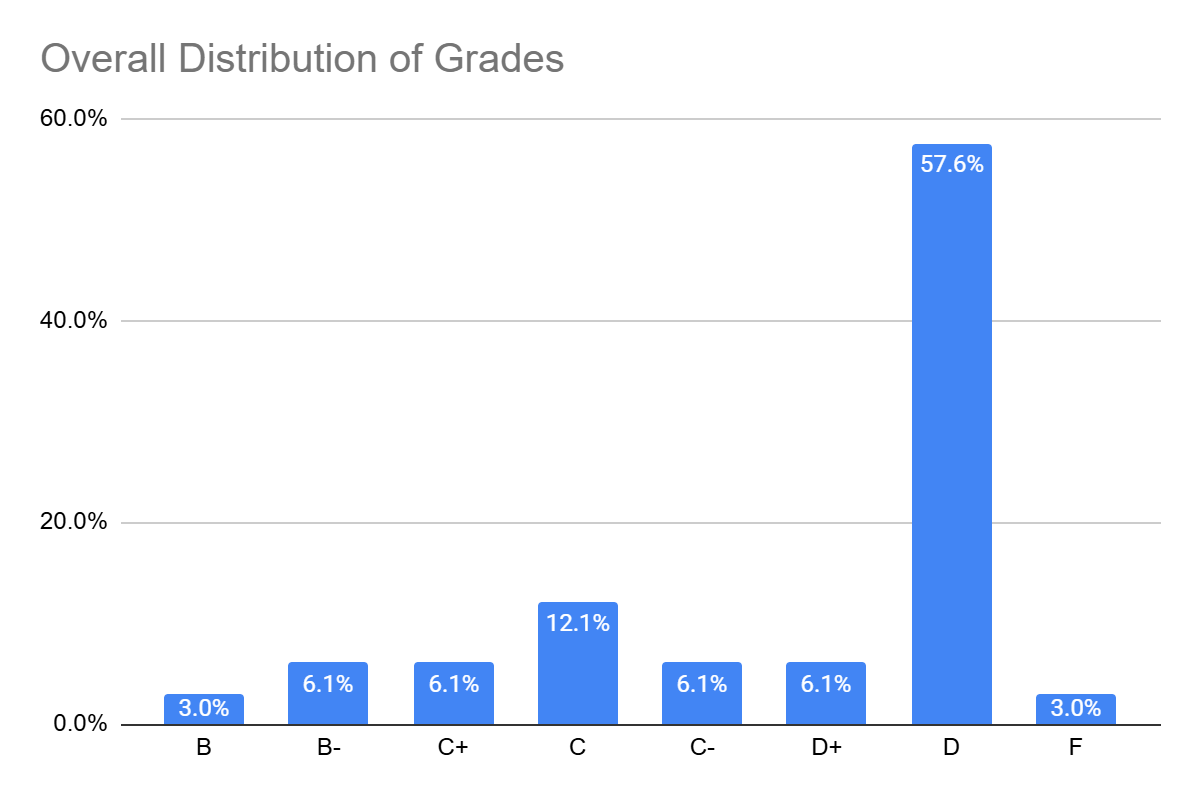
Poor as in over 60% of them had a grade of D or below. Only 9% had a grade of B. None scored higher. That’s a really poor showing, especially when some of these value models were made by prestigious companies such as Forrester, Deloitte, and PwC.
I can’t say all of these models were purely AI developed. Nor would I say they are any worse than old-school models. I have deconstructed hundreds of home-grown models made by technical sales staff that would rate a C- or lower. They were overly complex and frequently had computational errors buried deep within them. One time I found the modeler added a hidden $1 per pound “reputation value” in a value driver for a specialty material.
So I am initially wary of using another person’s value model until I review the logic, calculations and data. A pricing consultant once told me that “using somebody else’s spreadsheet is like using somebody else’s toothbrush.”
Likewise for AI-generated value models. Just as in other places, AI enables crap to be created at unprecedented scale.
Fit for Purpose
For me, the breakdown isn’t with the initial value model, it’s from the lack of iteration afterward. You can’t pull a value model “off-the-rack” and expect it to perfectly fit a customer’s unique business situation. Remember that value is unique for every individual customer. Two b2b customers can look identical from the outside, but use your product in totally different ways - so you need to tailor the value model to make sure it fits their business case.
A long time ago (when consultants dressed up), I bought a custom-made suit in Hong Kong. It took four visits to the tailor’s shop before it was ready to wear. The tailor kept my measurements on file and encouraged me to return. He even sent me Christmas cards with the dates when he was visiting the U.S., both to buy new suits and to alter my suit as my waist grew wider.
Compare that experience with value models. Most aren’t even off-the-rack, instead they are one-size-fits-all (O.S.F.A.) garments. O.F.S.A. looks awful.
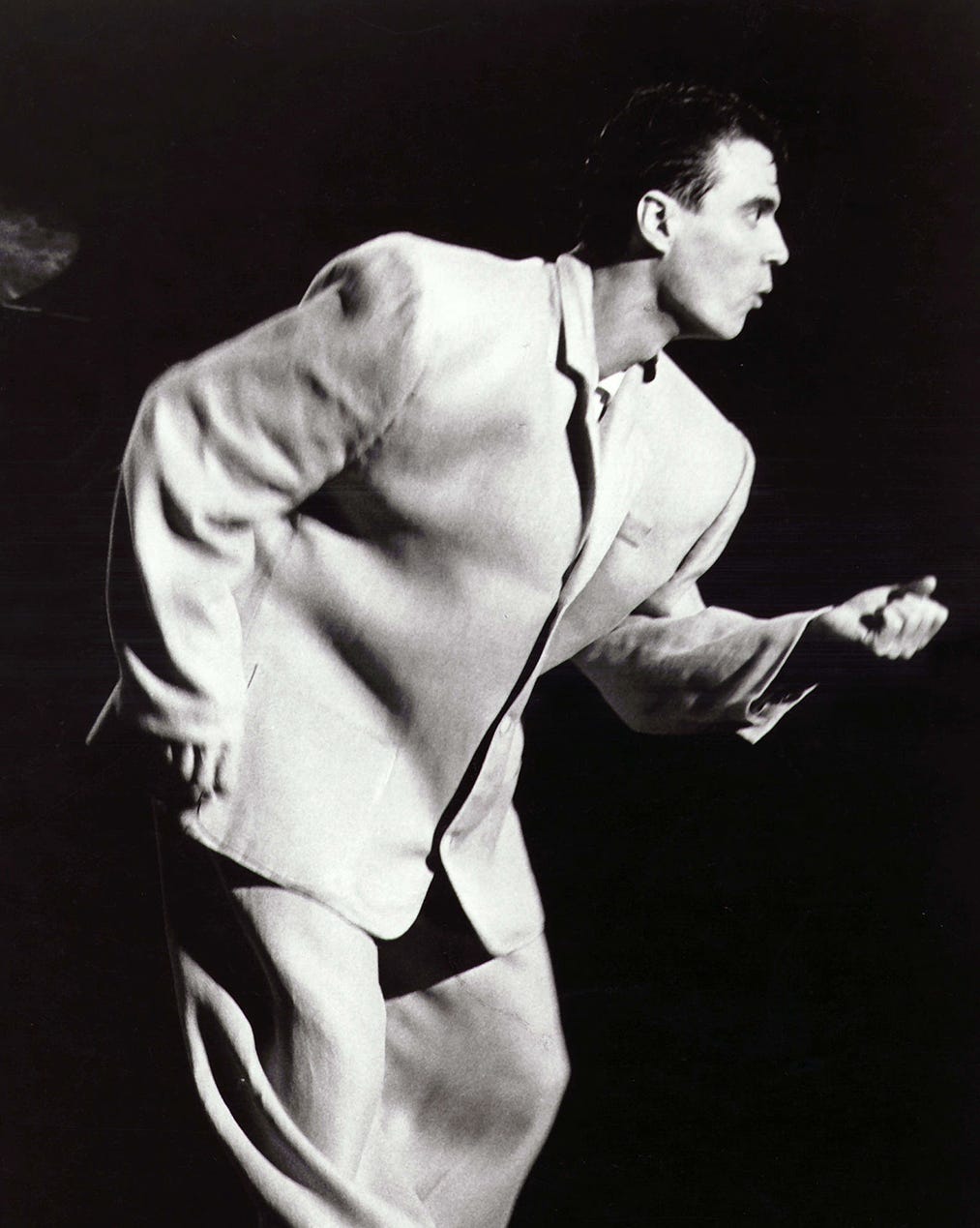
David Byrne’s “big suit” (pictured above) looks awesome on him because it was designed for his performance. On anybody else it would look absolutely ridiculous.
That’s exactly the kind of risk you take with O.S.F.A value models, which is why few of them ever close deals. At best they are the starting point. Value models need to be tailored to ensure they fit each customer well. To do that you should:
Listen First Before Modelling - Never lead with a value model. Instead, spend time listening to what the customer is saying about their business challenges and goals. An O.S.F.A value model may contain up to a dozen possible value drivers. Most of them will be totally irrelevant for a particular customer. Your objective is to find the precious few value drivers that most resonate with them.
Expect Multiple Revisions at First - When showing the value model for the first time, the main objective is to have the customer accept the logic of the value estimation (and btw THAT should be perfectly understandable and transparent). Regard everything else, particularly the initial data inputs as up for revision. Encourage the customer to provide as much data and input into assumptions as possible.
Let the Customer become a Co-Author - Successful value models tell compelling stories, and the true hero of that story is the customer (not your product). Your primary customer contact is essentially selling that happy ending to their executive team and other key stakeholders.
Encourage Multiple Showings - The story telling gets better with every practice and presentation. This increases your customer confidence and broadens support.
Homework Assignment
What grade would you give your current value model?
How well do you tailor it for each customer?